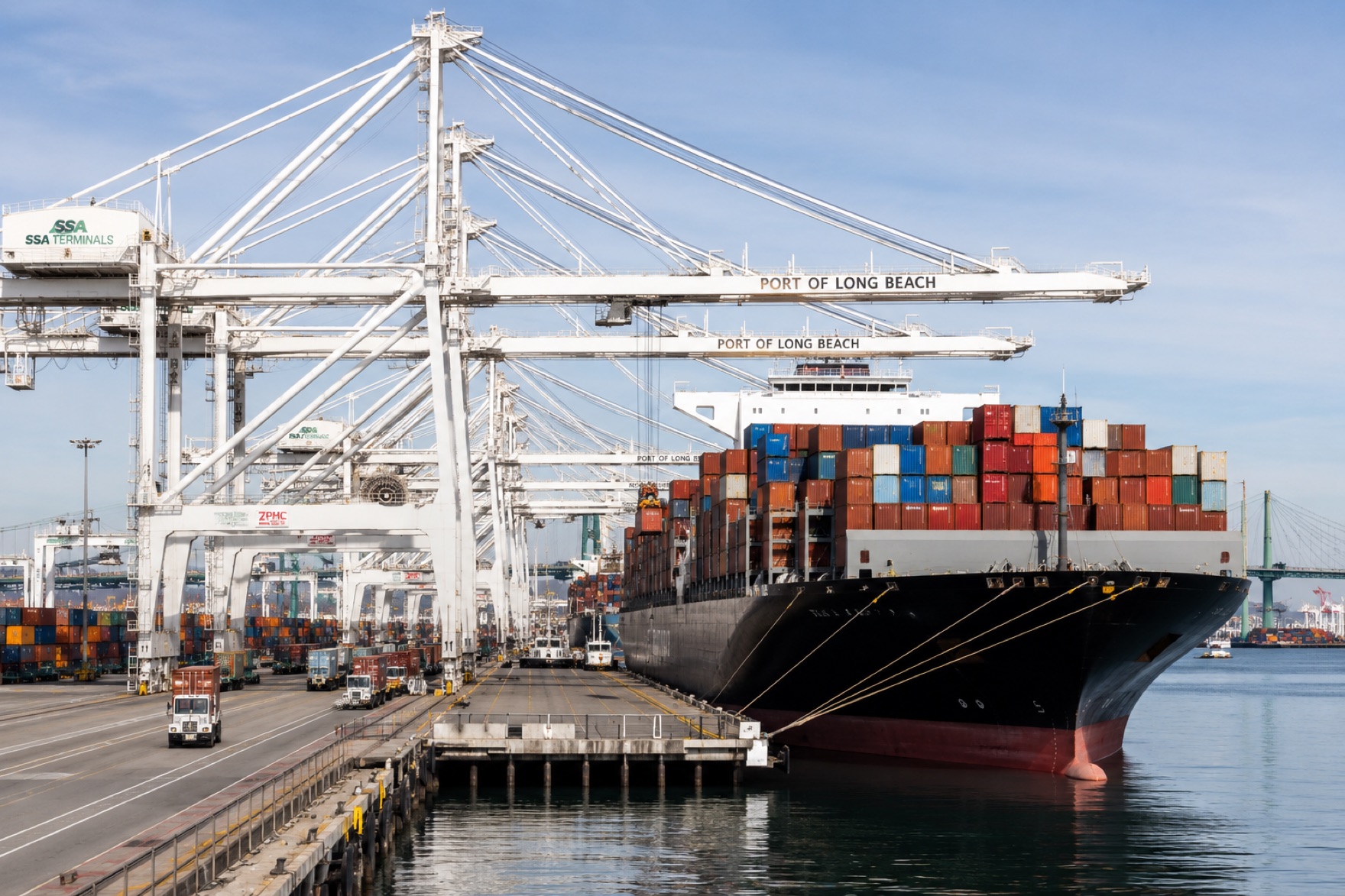
Container port serving Southern California supply chains
West Coast Logistics Guide

The Advantages of Using a West Coast 3PL

For brands importing through Southern California, the right warehouse location can influence inbound speed, freight cost, inventory availability, and delivery performance.

Explore the advantages
Port AccessLos Angeles and Long Beach
Air FreightProximity to LAX
Western ReachMajor consumer markets
Apparel ExpertiseSpecialized labor and VAS
Location Shapes the Workflow

Why the West Coast can be the right first stop for imported inventory.

Many apparel and consumer products are manufactured in Asia and enter the United States through Pacific trade routes. A Southern California 3PL places the fulfillment operation near major ports, LAX, drayage providers, and transportation corridors.

That proximity does not automatically make every shipment faster or less expensive. It can, however, remove unnecessary inland movement before inventory is received, prepared, and made available for sale.

01
Inbound Freight Velocity

Keep the path from port to available inventory shorter.

When an ocean container lands at the Port of Los Angeles or Port of Long Beach, a nearby warehouse can reduce the inland leg required before receiving begins. Shorter drayage moves can simplify coordination and help reduce exposure to avoidable terminal, chassis, and long-distance intermodal complications.

  • Coordinate port recovery and warehouse receiving within the same regional network
  • Begin deconsolidation, count verification, and inspection closer to the point of entry
  • Make approved inventory available for fulfillment without first moving it across the country
  • Create a clearer response plan for exceptions, holds, and urgent arrivals
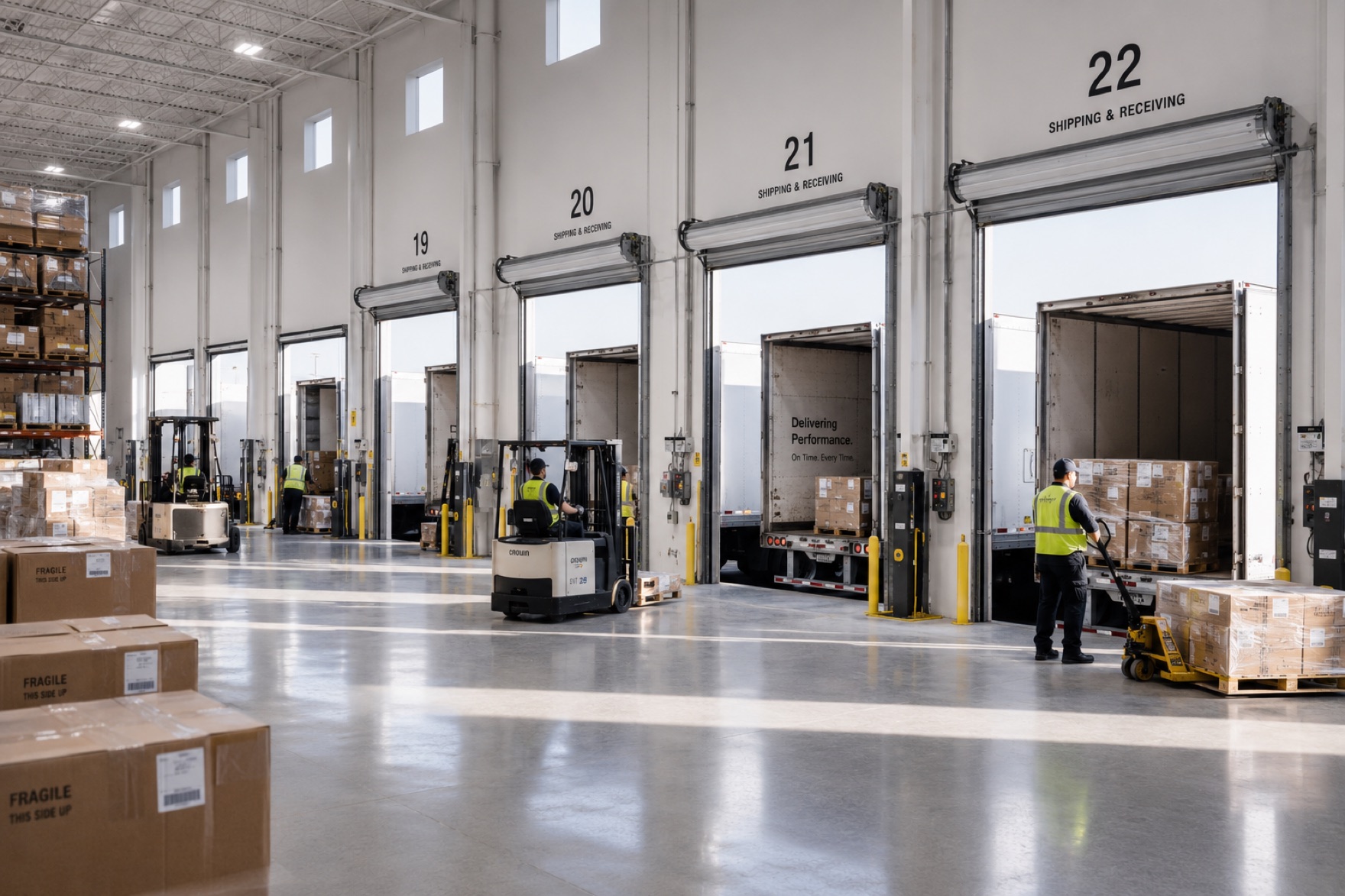
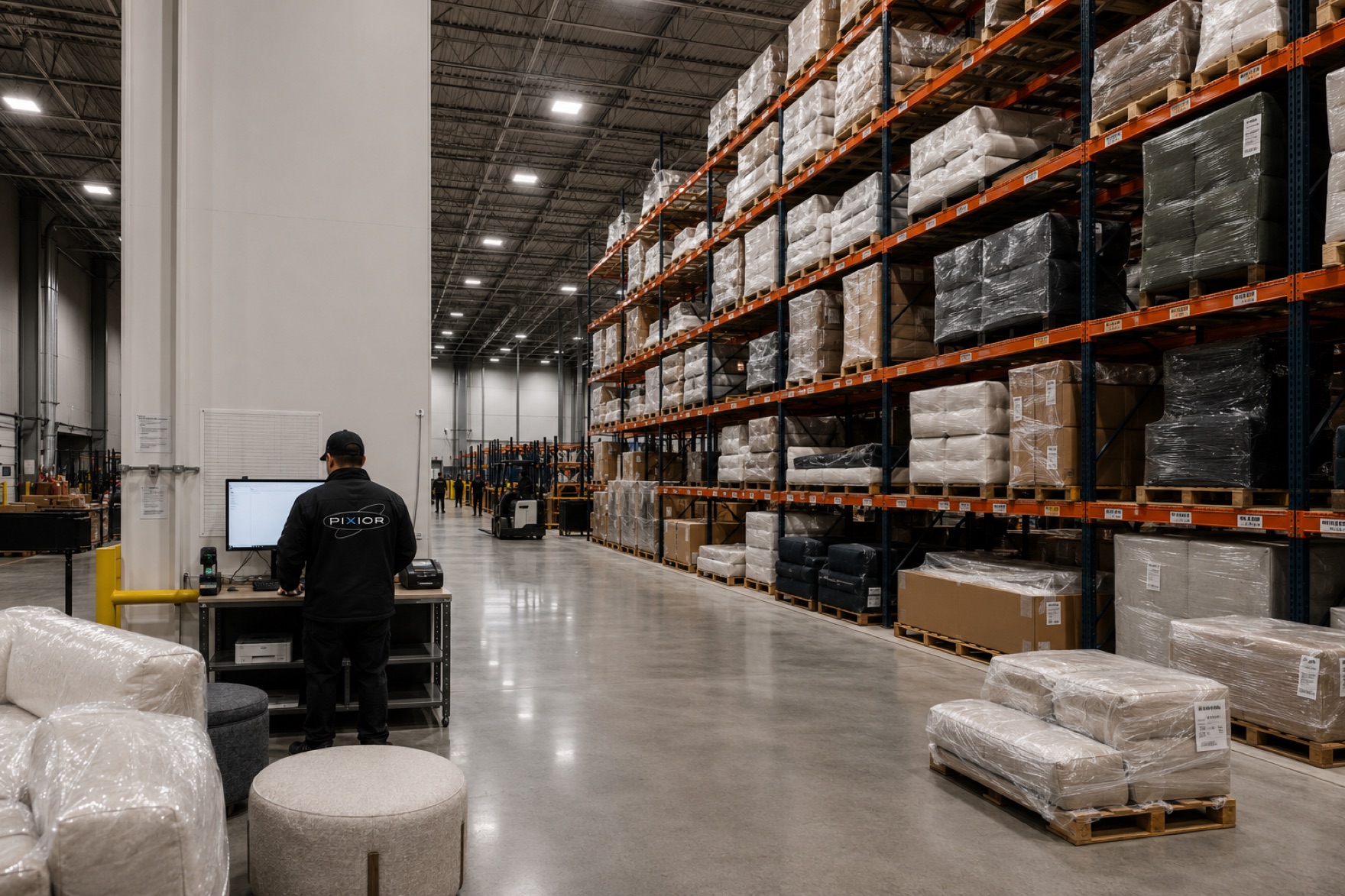
Warehouse loading docks supporting inbound freight
Regional receiving can create a more direct handoff from arrival to warehouse processing.
02
Air Freight and Wholesale Agility

Move urgent inventory into the operation quickly.

Proximity to LAX can support time-sensitive replenishment, samples, product launches, gifting programs, and boutique restocks arriving by air. The warehouse can receive, inspect, prepare, and release inventory according to the channel's requirements.

  • Recover urgent air cargo into a Southern California fulfillment workflow
  • Prepare retail and boutique orders with EDI, ASNs, ticketing, and routing guides
  • Support samples, launches, and replenishment without creating a separate operation
  • Coordinate DTC and wholesale inventory from the same facility
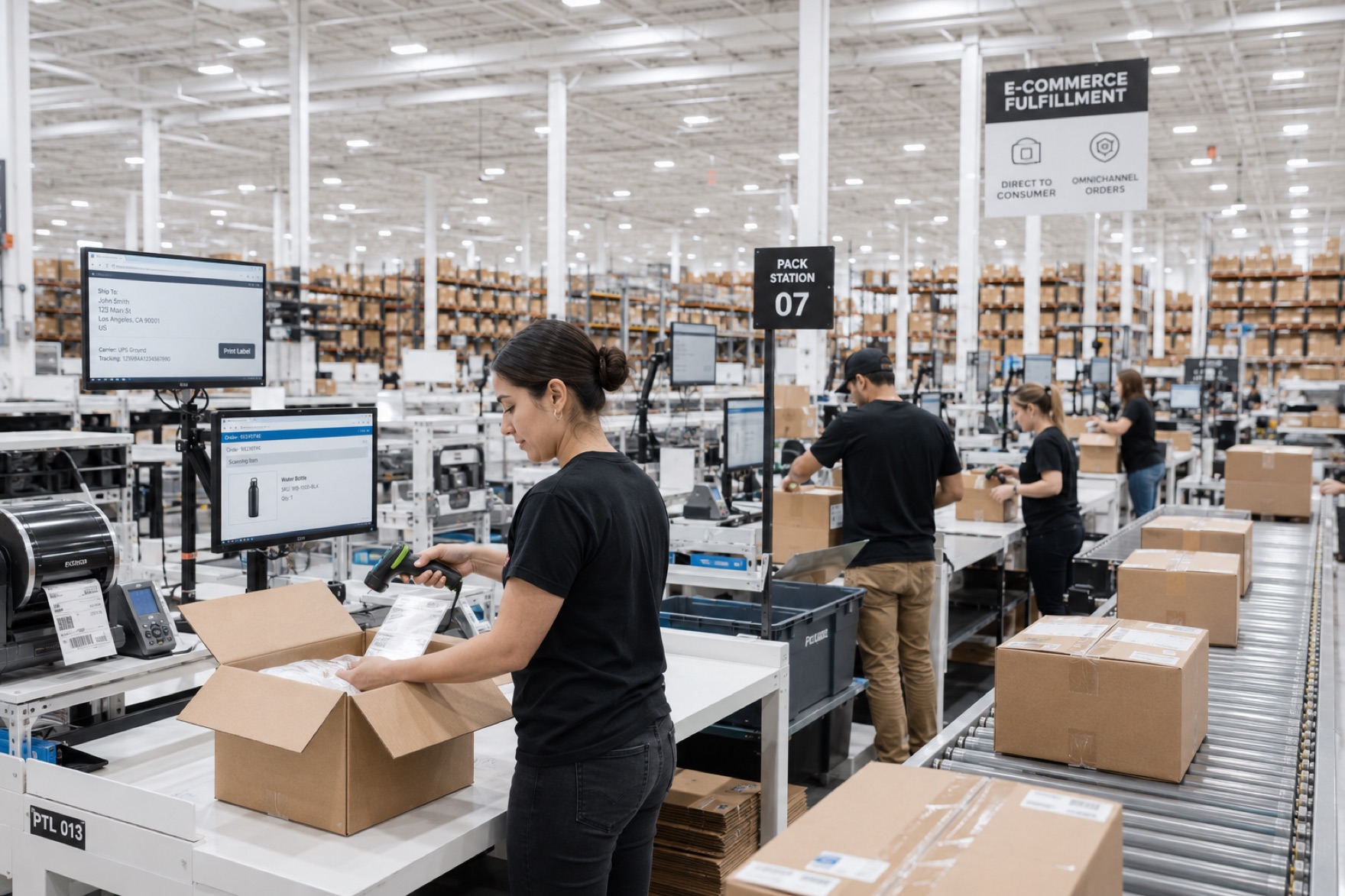
Pixior fulfillment workstations preparing customer and retail orders
One operation can support ecommerce, marketplace, boutique, and major retail requirements.
03
Balanced Delivery Reach

Serve major Western markets without shipping every order across the country.

California, the Pacific Northwest, and the Mountain states represent significant consumer markets. Fulfilling closer to Western customers can reduce parcel zones and transit time for that portion of the order base.

For national brands, the best answer may be a West Coast starting point or a multi-location strategy. The decision should be based on actual order geography, inbound routes, inventory depth, service expectations, and the cost of splitting inventory.

  • Analyze customer locations before choosing a warehouse network
  • Compare parcel zones, service levels, and carrier performance
  • Balance delivery speed against the cost and complexity of multiple inventory pools
  • Plan for growth rather than selecting locations by map alone
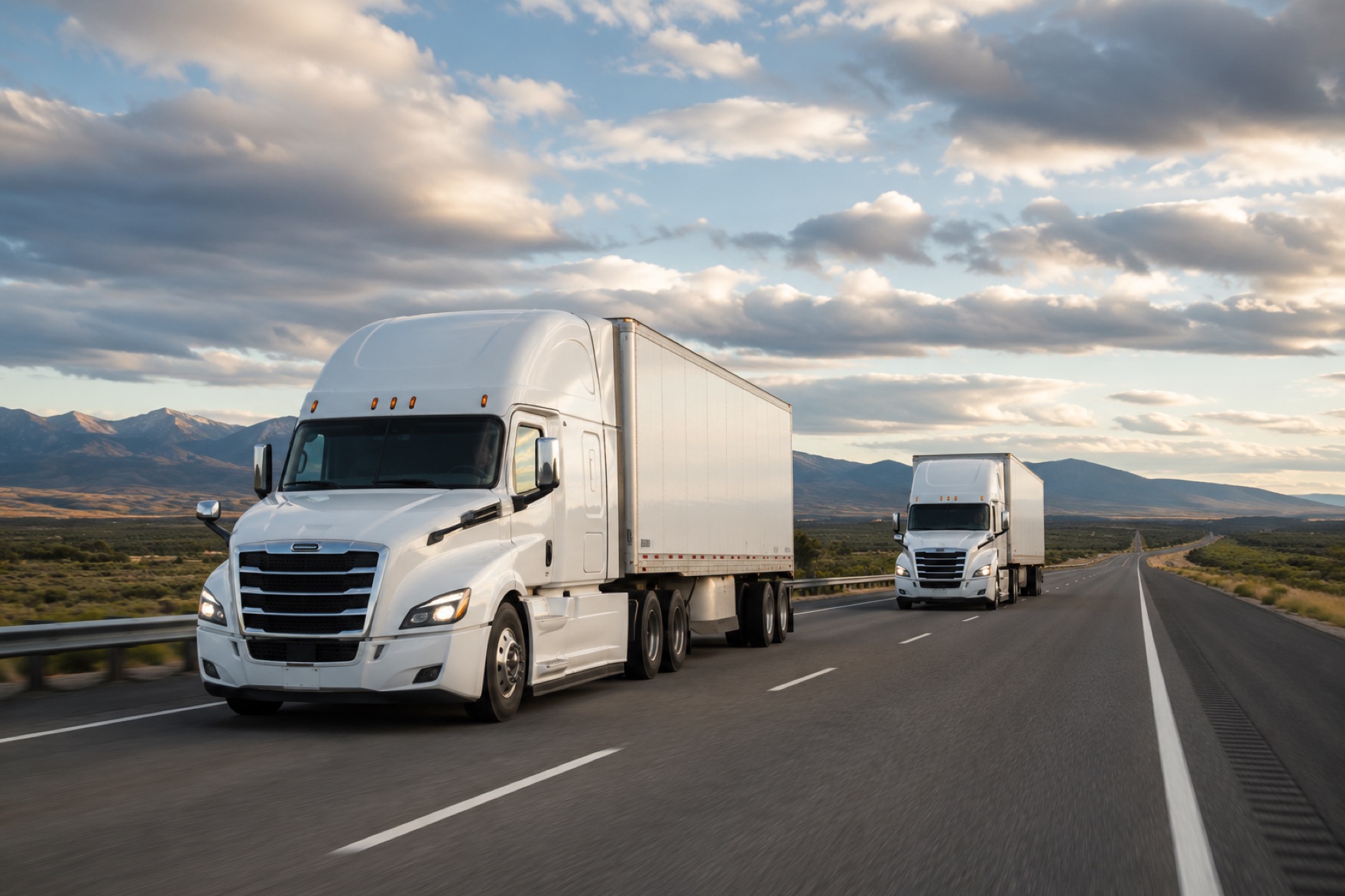
Transportation network supporting regional and national delivery
The right network begins with order data, channel requirements, and realistic service goals.
04
Apparel Ecosystem

Access teams experienced with garments, variants, and retail preparation.

Southern California has a deep apparel and consumer-goods supply chain. That experience matters when products require more than storage and basic parcel shipping.

  • Store and pick by style, color, and size with scan-based controls
  • Fold, hang, steam, ticket, label, inspect, and polybag garments
  • Prepare retailer-compliant orders and floor-ready displays
  • Inspect returns, complete approved repairs, and restore sellable units to inventory
Explore apparel value-added services
Experienced fulfillment team handling apparel inventory
Specialized handling helps protect presentation, compliance, and inventory value.
Is It the Right Fit?

A West Coast-first strategy is especially worth evaluating when:

01

Much of your inventory enters through Los Angeles, Long Beach, or LAX.

02

Your customer base has meaningful concentration in California and Western states.

03

Your products require apparel preparation, inspection, ticketing, or retail compliance.

04

Your brand relies on launches, drops, replenishment, or other time-sensitive inventory.

05

You need ecommerce, marketplace, wholesale, and retail workflows under one team.

06

You want a network that can expand eastward or into Europe as demand grows.

Build Around the Data

The best fulfillment network is not one-size-fits-all.

A location decision should consider more than rent or distance to a port. Pixior works through the operational details before recommending a workflow.

Bring these numbers to the conversation:

  • Inbound origin, port, mode, frequency, and container volume
  • Order volume by ZIP code, channel, and service level
  • SKU count, units per SKU, dimensions, and storage profile
  • Launch dates, seasonal peaks, promotions, and forecast range
  • Retailer routing guides, compliance rules, and delivery windows
  • Returns volume, disposition rules, and recoverable inventory goals
Frequently Asked Questions

West Coast 3PL questions, answered.

Is a West Coast 3PL only useful for West Coast customers?

No. A West Coast operation can serve customers nationwide. Its value depends on inbound freight, customer geography, carrier services, inventory strategy, and delivery expectations. Some brands begin with one West Coast facility and add other locations when the data supports it.

Why does proximity to the Los Angeles and Long Beach ports matter?

A nearby 3PL can shorten the inland path between the port and warehouse, simplify drayage coordination, and begin receiving and preparation closer to the point of entry.

Can a West Coast 3PL support both DTC and wholesale?

Yes. Pixior supports direct-to-consumer, marketplaces, boutiques, wholesale accounts, and major retailers with channel-specific picking, packing, EDI, ASNs, ticketing, labeling, and routing requirements.

When should a brand consider more than one fulfillment location?

A second location may become valuable when order geography, parcel cost, delivery commitments, inventory depth, and volume justify the additional complexity of splitting and replenishing inventory.

Plan the Right Network

Bring your actual order and inbound data.

Pixior will help you evaluate the workflow that fits your products, customers, channels, and growth plan.

Call +1 (424) 558-4555
Talk to a Supply Chain Lead

Come see the actual buildings.

Fifteen minutes with a supply chain lead. Bring your worst month's numbers.

HQ: 7400 Slauson Ave, Commerce, CA 90040.

We reply within one business day. No call center.

Fulfillment built for brands that can't afford mistakes.

Response within 24 hours.

Proudly teaming up with amazing partners to deliver trusted,
full-service 3PL solutions since 2000.
Los Angeles, the East Coast, and Europe. Port-to-door under one vendor, one team that answers.